

Blog
Yoga Practitioners and SoftWave Therapy: Healing Injuries and Enhancing Mobility in Charleston, SC
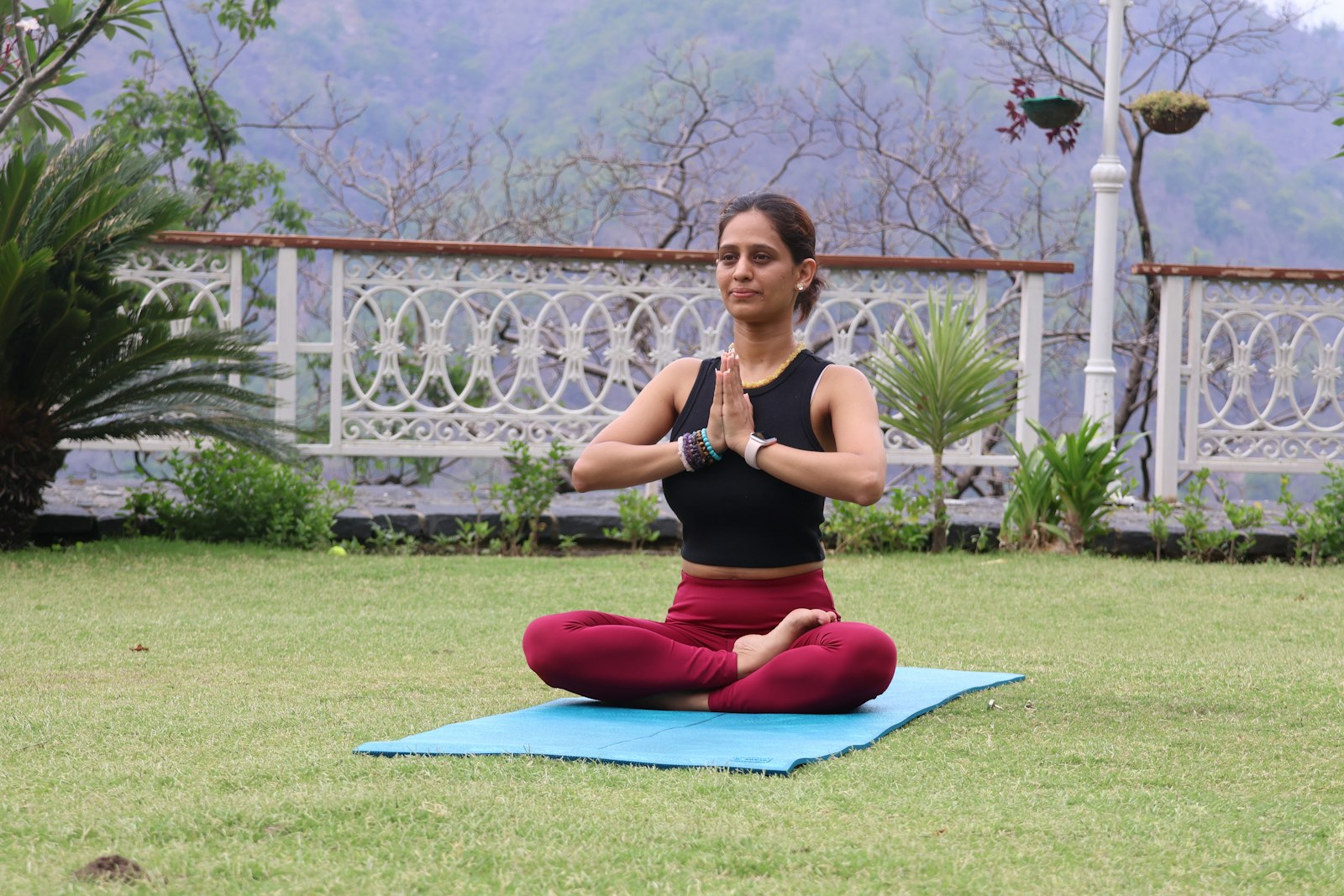
Healing Injuries, Restoring Mobility, and Supporting Sustainable Practice for Charleston Yogis Without Drugs or Surgery
Yoga, in its modern form, is often described as the gentlest of physical practices. In reality, a regular yoga practice places very specific and very demanding loads on joints, tendons, and connective tissue — especially when practiced daily, in heated rooms, with progressive intensity, or under the influence of competitive flow culture. For Charleston’s growing yoga community, that consistent practice has produced both extraordinary mobility and a quietly common set of injuries that conventional medicine often doesn’t fully resolve.
At Fix Your Pain Charleston, Dr. Jeremiah Jimerson is helping Charleston yoga practitioners and teachers recover from chronic and acute injuries, restore healthy joint mechanics, and return to a sustainable, pain-free practice — without drugs, without injections, and without giving up the discipline that gives so much back. The key is SoftWave Tissue Regeneration Therapy.
Why Yoga Injuries Are More Common Than Most Practitioners Realize
The injuries we see most often in dedicated yoga practitioners come from the very thing yoga is so good at: end-range mobility. Pushing joints, tendons, and ligaments repeatedly into deep flexion, extension, rotation, or hyperextension produces predictable patterns of tissue irritation, especially in hypermobile practitioners and those who flow rapidly through poses without sufficient stability work. Common yoga-related injuries we treat include:
- Wrist pain and tendinopathy — from repeated weight-bearing in down dog, plank, chaturanga, and arm balances
- Shoulder impingement and rotator cuff strain — from high-volume chaturanga, vinyasa transitions, and overhead postures
- Sacroiliac (SI) joint dysfunction — one of the most common chronic complaints in yoga teachers and long-practicing yogis
- Hamstring tendinopathy at the sit bone — from repeated forward folds and end-range stretching
- Hip flexor and labral irritation — from deep lunge work, splits, and extreme hip flexion postures
- Lower back pain — from backbends, twists, and inversions that compress lumbar segments
- Neck pain — especially in practitioners who do unsupported headstand and shoulder stand
- Knee pain — from rotational postures (lotus, pigeon, hero) that load the knee in vulnerable positions
- Achilles tendon and plantar fascia irritation
The biological challenge is the same one that limits recovery in every other overuse injury picture: tendons, ligaments, fibrocartilage, and the labrum have a poor blood supply. Rest, ice, and anti-inflammatories don’t restore circulation to those tissues, and they don’t actively rebuild the structures that have been broken down. So yoga practitioners cycle through flare-ups, modify their practice, and often quietly stop doing the poses that bother them — rather than fully resolving the injury.
SoftWave Tissue Regeneration Therapy was built to solve exactly this problem. Learn more about how SoftWave Tissue Regeneration Technology works.
How SoftWave Therapy Heals Yoga Injuries at the Cellular Level
SoftWave Tissue Regeneration Therapy uses patented electrohydraulic broad-focused supersonic acoustic waves to deliver targeted mechanical energy deep into injured tissue, activating biological repair processes that no other non-invasive technology can replicate.
For yoga practitioners, SoftWave drives:
- Neoangiogenesis — new blood vessel formation through VEGF and eNOS release, dramatically increasing blood supply to tendons, ligaments, and joint structures that are chronically circulation-starved
- Dormant stem cell activation — awakening resident mesenchymal stem cells in and around the injured tissue for active regeneration and collagen remodeling
- Inflammation resolution — downregulating chronic inflammatory signaling and replacing it with productive healing activity
- Scar tissue and adhesion breakdown — freeing fibrotic restrictions in the SI region, hip flexors, and shoulder girdle
- Collagen fiber realignment — supporting proper alignment of new collagen as tendons rebuild, restoring strength and reducing re-injury risk
- Nerve sensitization reduction — calming hyperexcitable peripheral nerves contributing to chronic SI, shoulder, and neck pain
For a yoga practitioner, the practical translation is that SoftWave often allows continued (modified) practice during recovery, accelerates how quickly the underlying tissue actually rebuilds, and helps the body return to confident weight-bearing in poses that had become guarded or avoided.
Ready to practice without nursing the same injury for years? Schedule your SoftWave evaluation.
SoftWave + ART + Chiropractic: The Complete Yoga Recovery Protocol
For dedicated yogis, Dr. Jimerson combines SoftWave with Active Release Techniques (ART) and chiropractic care to address tissue regeneration, soft tissue restriction, and joint mechanics:
- SoftWave regenerates damaged tissue, restores blood supply, and resolves chronic inflammation
- ART identifies and releases the muscular adhesions, trigger points, and compensatory restrictions that develop around chronic yoga injuries
- Chiropractic adjustments restore proper spinal, SI joint, and extremity motion that is essential to safe, sustainable practice
The combination shortens recovery, reduces re-injury, and often unlocks pose access that years of guarded practice had taken away.
Read more about combining SoftWave and ART for soft tissue recovery.
The Charleston Yoga Practitioners We Treat Most Often
Dr. Jimerson works with:
- Yoga teachers and studio owners — whose teaching volume puts cumulative load on the same structures every day
- Daily practitioners — long-time yogis whose connective tissue is showing the cumulative effects of years of practice
- Hot yoga practitioners — whose heated, deep-flexion sessions sometimes push joints past their healthy capacity
- Hypermobile practitioners — for whom yoga can paradoxically worsen instability and connective tissue irritation
- Hybrid practitioners — yoga + Pilates, yoga + strength training, yoga + cycling, etc.
- Practitioners new to yoga ramping up volume
- Retirees and active adults — whose yoga practice is central to their physical and mental wellness
If chronic SI, shoulder, wrist, or hip pain is making your practice smaller than it should be — you’re an excellent candidate for SoftWave evaluation. Call 843.873.6004 or book your evaluation online today.
SoftWave vs. Rest, Injections, and Surgery for Yoga Injuries
The standard pathway for chronic yoga-related pain usually goes from anti-inflammatories and physical therapy to cortisone injections, and occasionally surgical consultation for the most persistent issues (especially hip labral irritation and SI dysfunction). None of those options actively regenerates tissue. They suppress, alter, or remove — they don’t rebuild.
SoftWave is fundamentally different. Rather than masking symptoms or modifying anatomy, it stimulates the body’s own regenerative biology to repair the damaged structures. There’s no needle, no incision, and no cumulative tissue damage from repeated treatment.
Learn why more Charleston patients are choosing SoftWave over cortisone.
What Yoga Practitioners Experience During and After SoftWave Treatment
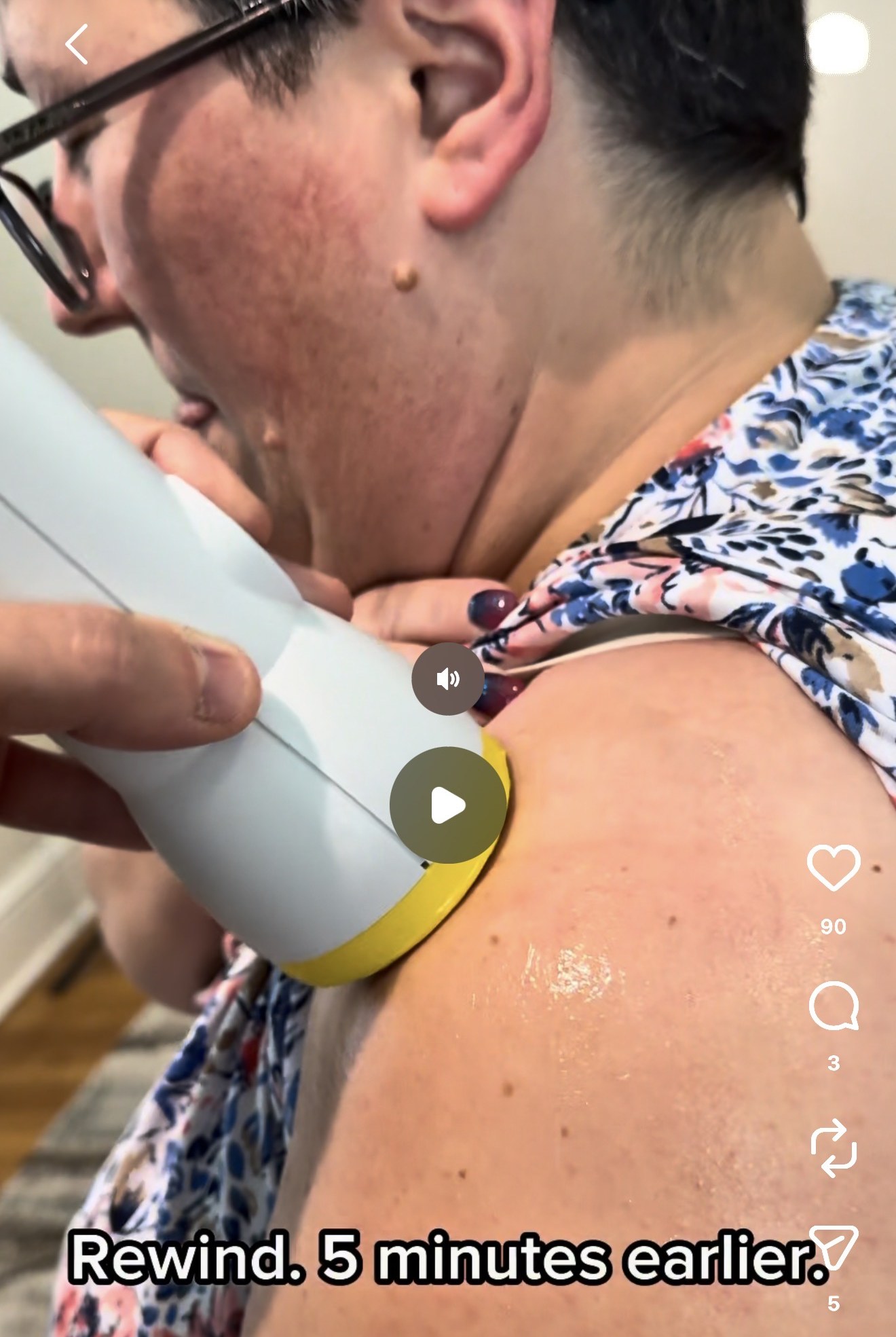
Each SoftWave session takes approximately 15 minutes. The applicator is placed over the affected area — SI region, hip flexor, shoulder, wrist, wherever the pain lives — and delivers comfortable acoustic waves into the tissue. No anesthesia, no needles, no downtime. Most patients describe a pulsing or tapping pressure that often produces immediate change in tissue quality.
Some mild post-session soreness in the treated area for up to 24 hours is normal. After that, the trajectory is progressive: easier transitions on the mat, less pain in poses that had become avoided, and the confidence to load the affected joint again.
Most practitioners report meaningful change within the first two to four sessions.
Stop Modifying Around It. Start Healing It.
If you’ve been quietly skipping poses, modifying your practice, or wondering whether yoga is even good for you anymore — know that there is a powerful, evidence-supported alternative right here in Charleston. At Fix Your Pain Charleston, Dr. Jeremiah Jimerson is helping yoga practitioners heal completely and return to a full, confident practice.
Your joints, tendons, and connective tissue deserve more than a workaround. They deserve real regeneration — and with SoftWave Tissue Regeneration Therapy, that is exactly what’s possible.
Don’t let a chronic injury reshape your practice. Schedule your SoftWave evaluation at Fix Your Pain Charleston today — and find out what it feels like to heal the right way.
Fix Your Pain Charleston
Dr. Jeremiah Jimerson, DC, ART
761 Saint Andrews Blvd, Charleston, SC 29407 // 843.873.6004
‹ Back



 761 St Andrews Blvd