

Blog
Why Pickleball Players in Charleston Are Turning to SoftWave Therapy for Injury Recovery
Faster Recovery, Lasting Relief, and Non-Surgical Regeneration for the Fastest-Growing Sport in the Lowcountry
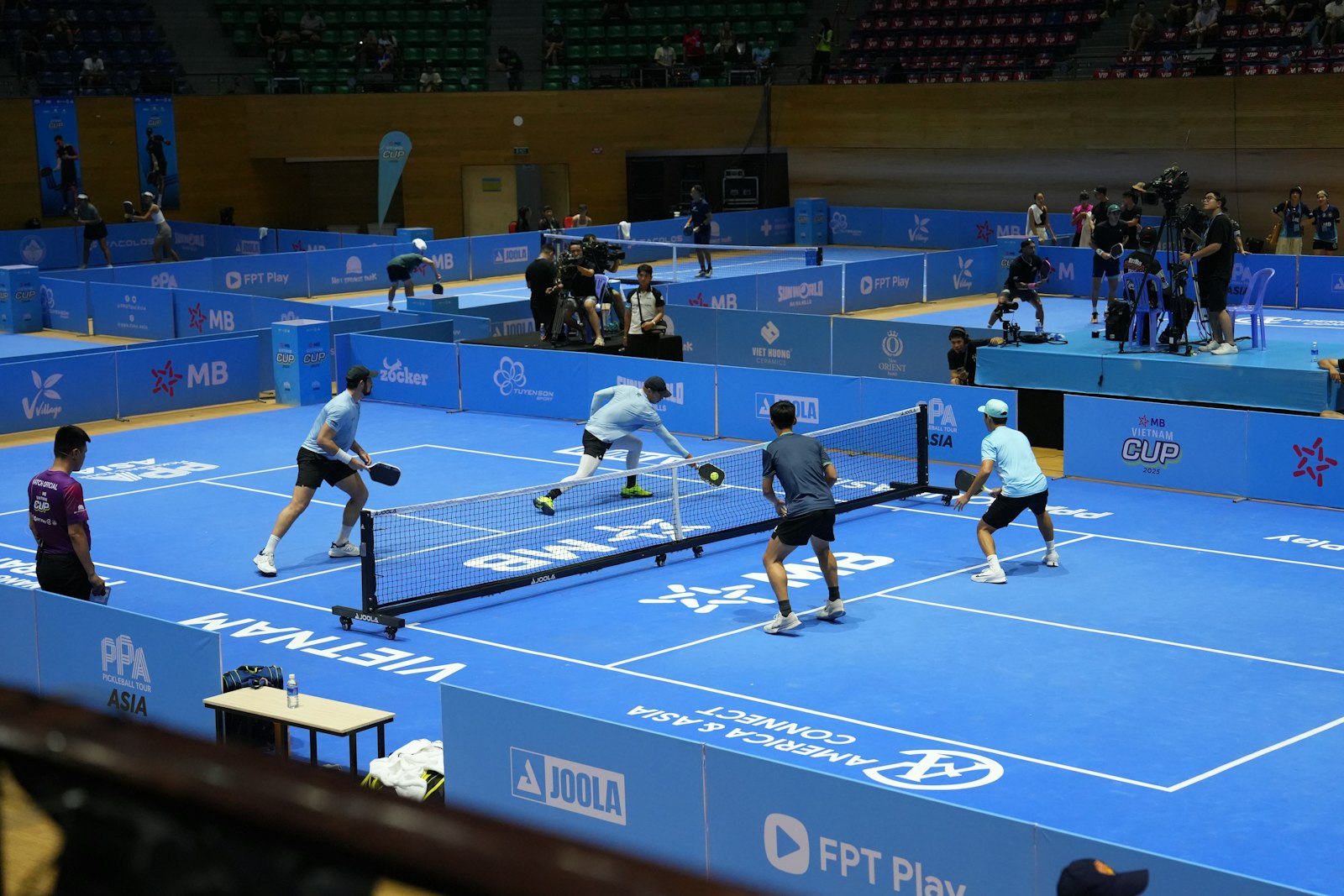
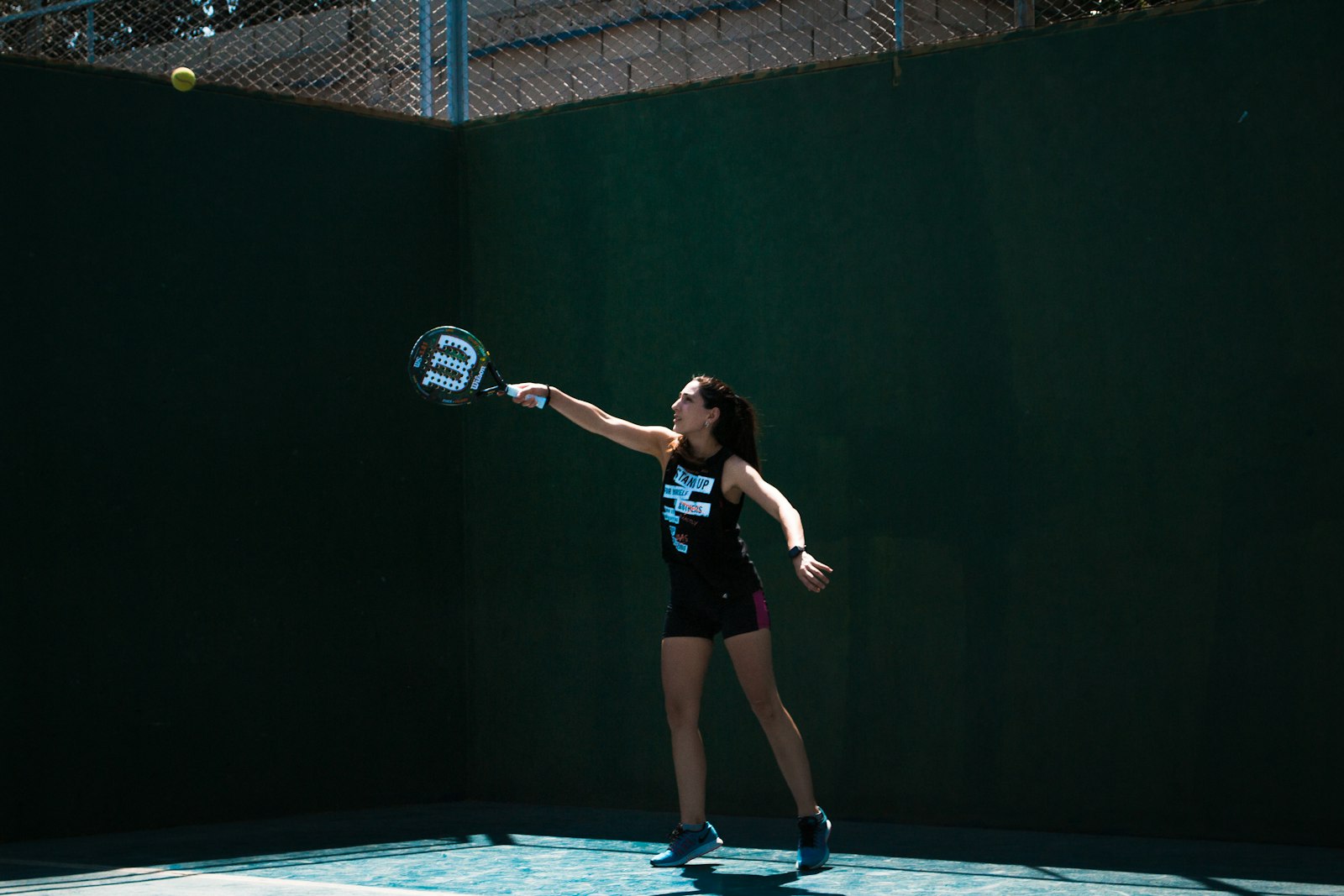
Pickleball has officially taken over Charleston. From dedicated courts in Mount Pleasant, Daniel Island, and West Ashley to converted tennis facilities, country club programs, and weekly leagues in nearly every neighborhood, the fastest-growing sport in America has firmly planted itself in the Lowcountry — and the player base just keeps expanding. With that explosion of participation has come something less talked about: an explosion of pickleball-related injuries. Shoulders, elbows, wrists, knees, hips, ankles — everything that gets used in those quick lateral movements and overhead swings is showing up in clinics across the area.
At Fix Your Pain Charleston, Dr. Jeremiah Jimerson is helping Charleston pickleball players recover from injury, heal at a deeper biological level, and return to the court faster — without drugs, without surgery, and without the long, frustrating rehab timelines that often come with conventional treatment. The key is SoftWave Tissue Regeneration Therapy, and it’s rapidly becoming the go-to recovery tool for pickleball athletes across the area.
Why Pickleball Injuries Are So Common — and So Often Misunderstood
On the surface, pickleball looks easygoing. The court is smaller than tennis, the paddle is light, and the game itself is sociable and welcoming. But that surface-level simplicity hides a sport that demands rapid acceleration, sudden deceleration, quick changes of direction, repeated overhead motion, and constant trunk rotation — often for players who haven’t done anything that physically demanding in years, sometimes decades. The combination is a perfect recipe for soft tissue breakdown.
Common pickleball injuries we treat at Fix Your Pain Charleston include:
- Pickleball elbow — lateral or medial epicondylitis from repetitive paddle work and improper grip mechanics
- Rotator cuff strains and tendinopathy — from repetitive overhead swings, serves, and overhead smashes
- Achilles tendon strains and ruptures — especially among players over 40 making sudden directional changes
- Calf strains — a hallmark pickleball injury, often dramatic and painful
- Plantar fasciitis — from court time on hard surfaces in inadequate footwear
- Knee pain — meniscal irritation, patellar tendinopathy, and aggravated osteoarthritis from pivoting and lunging
- Hip and groin strains — from lateral movement and sudden lunging at the kitchen line
- Low back pain — from rotational stress, reaching, and twisting under load
- Wrist tendinitis — from paddle grip and repetitive flick shots
What makes these injuries so frustrating is the biological reality underneath them: tendons, ligaments, and fibrocartilage have a notoriously poor blood supply. Without adequate circulation, those tissues simply cannot access the oxygen, nutrients, and cellular repair signals they need to regenerate. They heal slowly, heal incompletely, or don’t heal meaningfully at all — leaving pickleball players stuck in a cycle of flare-up, rest, return, and re-injury.
That’s exactly the problem SoftWave Tissue Regeneration Therapy is designed to solve. Learn more about how SoftWave Tissue Regeneration Technology works.
How SoftWave Therapy Heals Pickleball Injuries at the Cellular Level
SoftWave Tissue Regeneration Therapy uses patented electrohydraulic broad-focused supersonic acoustic waves to deliver targeted mechanical energy deep into injured tissue — activating the body’s own biological repair processes in a way that no other non-invasive technology can replicate.
For pickleball injuries, SoftWave triggers a powerful cascade of healing events:
- Neoangiogenesis — SoftWave stimulates the formation of new blood vessels through the release of VEGF and eNOS, dramatically increasing blood supply to tendons, ligaments, and joint structures that have been chronically starved of circulation
- Dormant stem cell activation — the acoustic energy awakens resident mesenchymal stem cells within and around the injured area, mobilizing them for active tissue regeneration and collagen remodeling
- Inflammation resolution — SoftWave downregulates the pro-inflammatory cytokines that keep injuries in a chronic loop, replacing destructive inflammation with productive healing activity
- Scar tissue and adhesion breakdown — the waves break down the fibrous adhesions that form after repetitive-use injuries, restoring smooth movement and joint mechanics
- Collagen fiber realignment — as new tissue forms, SoftWave supports proper collagen alignment in healing tendons, restoring tensile strength and significantly reducing re-injury risk
For a pickleball player, the practical translation is this: SoftWave doesn’t just dampen pain so you can get back on the court next week and reinjure the same tendon. It rebuilds the tissue itself — so when you do return, you’re returning to a stronger, more resilient structure.
SoftWave + ART + Chiropractic: The Complete Pickleball Recovery Protocol
For pickleball players, Dr. Jimerson often combines SoftWave with Active Release Techniques (ART) and chiropractic care — a comprehensive approach that addresses tissue regeneration, soft tissue restrictions, and the underlying biomechanics that keep injuries coming back.
Every pickleball injury leaves a movement fingerprint. The body compensates around the painful area. Mechanics shift. Stride patterns alter. Spinal alignment changes. Even after the primary tissue heals, those compensations persist — setting players up for re-injury or a new injury in a different spot. The SoftWave + ART + chiropractic combination addresses the full picture:
- SoftWave regenerates the damaged tissue, restores blood supply, and resolves chronic inflammation at the cellular level
- ART identifies and releases the muscular adhesions, trigger points, and compensatory restrictions that develop around the injury
- Chiropractic adjustments restore proper joint mechanics and spinal alignment so the body can move efficiently again, without dragging the old injury pattern into every new game
The result is faster, more complete recovery and dramatically reduced re-injury risk — the kind of outcome that actually keeps pickleball players on the court instead of in a cycle of breakdown and rest.
Read more about how Dr. Jimerson combines SoftWave and ART for soft tissue recovery.
The Pickleball Players We See Most Often in Charleston
Dr. Jimerson works with pickleball players across the spectrum — from weekend social players to competitive tournament athletes. The most common groups we treat include:
- 40+ and 50+ players new to the sport — people whose bodies aren’t conditioned for repeated quick lateral motion and overhead striking
- Former tennis players — transitioning to pickleball and discovering that the different mechanics stress different structures
- Tournament-level players — competitive athletes pushing volume and intensity and needing rapid recovery between events
- Daily and high-volume players — people playing 5+ days per week whose tissues simply can’t keep up with the cumulative load
- Players with prior knee, hip, or shoulder issues — pickleball is exposing pre-existing weaknesses and turning manageable issues into acute pain
- Retirees and active adults — players for whom pickleball is a major social and physical outlet and who absolutely don’t want to give it up
Whatever your level, if pickleball pain is shortening your sessions, sidelining you from leagues, or making you wonder if you should be playing at all — you’re an excellent candidate for SoftWave evaluation. Call 843.873.6004 or book your evaluation online today.
SoftWave vs. Cortisone Shots and Rest for Pickleball Injuries
The conventional treatment pathway for pickleball injuries is usually some combination of rest, ice, anti-inflammatories, physical therapy, and — if the pain persists — a cortisone injection. While these can offer short-term relief, they share a fundamental problem: none of them actually repair the damaged tissue. Rest is passive waiting. Anti-inflammatories suppress symptoms without rebuilding structure. And cortisone, while temporarily reducing inflammation, has been shown to weaken tendon tissue over time — potentially accelerating the very breakdown the player is trying to stop.
SoftWave Therapy is fundamentally different. Rather than suppressing the inflammatory response, it resolves the tissue damage driving it. Players who choose SoftWave aren’t just buying a few weeks of feeling better — they are investing in genuine regeneration of the structures causing their pain. And unlike cortisone, which has a documented limit on how many times it can be safely administered, SoftWave can be used as often as clinically appropriate with no cumulative risk.
Learn why more Charleston athletes are choosing SoftWave over cortisone injections.
What Pickleball Players Experience During and After SoftWave Treatment
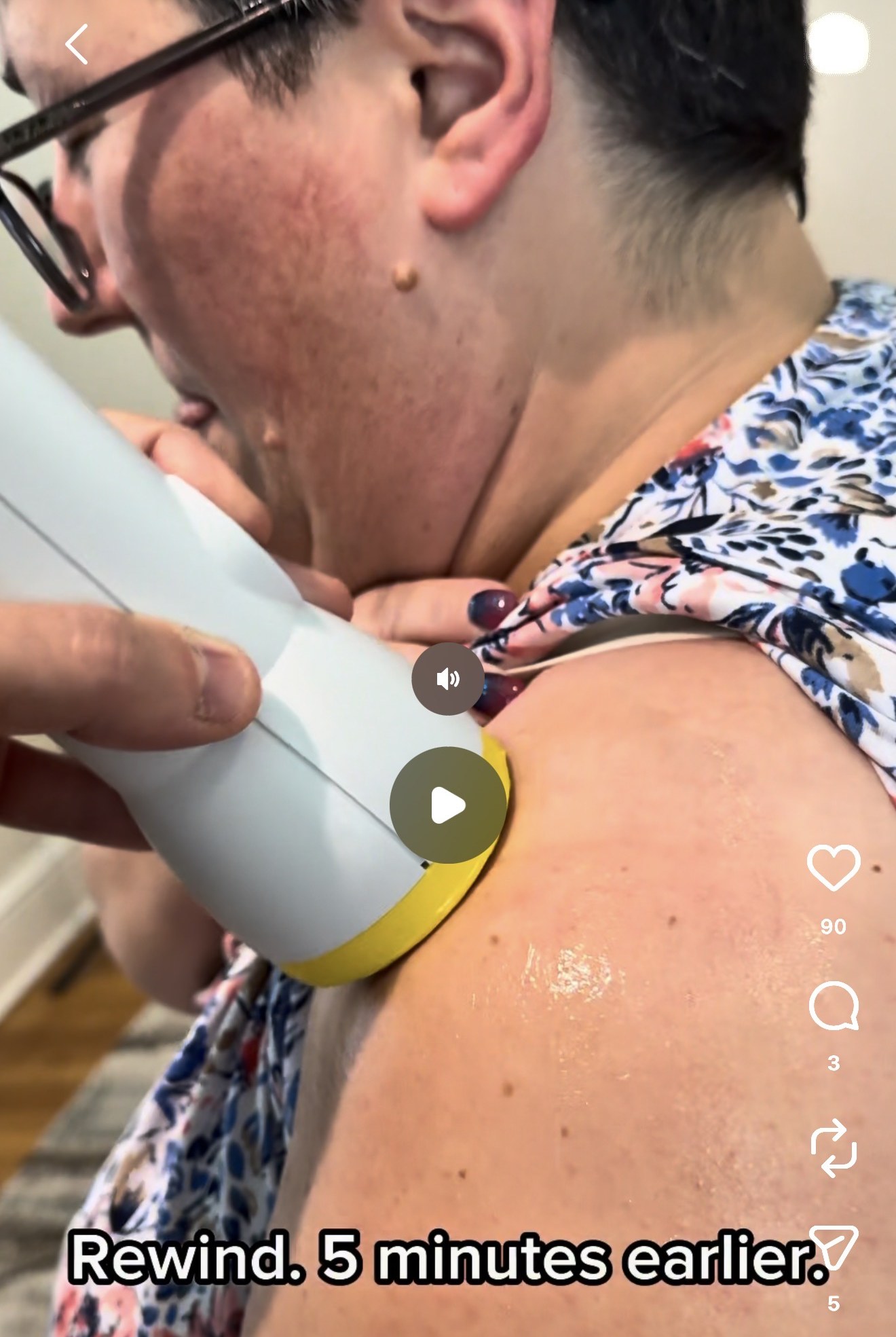
Each SoftWave session takes approximately 15 minutes. The applicator is placed directly over the affected tissue — the elbow, shoulder, knee, calf, plantar fascia, or whatever is in the firing line — and delivers comfortable, broad-focused acoustic waves into the area. There’s no anesthesia, no needles, and no downtime. Most patients describe the sensation as a pulsing or tapping pressure.
In the hours after a session, some patients experience a mild, temporary increase in soreness — a sign that the body’s healing response has been activated. This typically resolves within 24 hours and is followed by progressive improvements in pain, range of motion, and load tolerance across subsequent sessions.
Pickleball players commonly report noticeable improvements within the first two to four sessions of a standard treatment series — less pain on serves and dinks, easier recovery between games, and the confidence to push lateral movement again without flinching from the old injury.
Stop Resting. Start Healing. Get Back on the Court.
If you’ve been told to ice it, rest it, lay off pickleball for six weeks, or get another cortisone shot — know that there is a powerful, evidence-supported alternative right here in Charleston. At Fix Your Pain Charleston, Dr. Jeremiah Jimerson is helping pickleball players heal completely, not just hobble through the rest of the season.
Your shoulder, elbow, knee, calf, or whatever is hurting deserves more than a patch. It deserves real regeneration — and with SoftWave Tissue Regeneration Therapy, that is exactly what’s possible.
Don’t let a pickleball injury keep you off the court longer than it needs to. Schedule your SoftWave evaluation at Fix Your Pain Charleston today — and find out what it feels like to heal the right way.
Fix Your Pain Charleston
Dr. Jeremiah Jimerson, DC, ART
761 Saint Andrews Blvd, Charleston, SC 29407 // 843.873.6004
‹ Back


 761 St Andrews Blvd