

Blog
Stress Fractures and SoftWave Therapy: Accelerating Bone Healing for Athletes in Charleston, SC

Accelerating Bone Healing and Soft Tissue Recovery for Charleston Athletes Without Pills or Long Rehab Timelines
A stress fracture is one of the most frustrating injuries an athlete can hear. Unlike a sprain, a strain, or a tendinopathy — which usually allow some level of modified activity — a stress fracture demands real time off. Bones don’t care how committed you are to your sport. They heal when they heal, and traditional medicine doesn’t offer much beyond rest, immobilization, and the occasional bone-stimulator boot. For competitive runners, triathletes, dancers, soccer players, military athletes, and any other endurance or impact athlete, weeks — or months — on the sidelines feels like an eternity.
At Fix Your Pain Charleston, Dr. Jeremiah Jimerson is helping athletes across Charleston and South Carolina recover from stress fractures faster, support optimal bone remodeling, and address the soft tissue dysfunction that contributed to the injury in the first place — using SoftWave Tissue Regeneration Therapy.
Why Stress Fractures Are So Common in Endurance and Impact Athletes
A stress fracture is a small crack or hairline break in a bone, caused by repeated submaximal load that exceeds the bone’s ability to remodel itself fast enough. Common sites include:
- Tibia — the most common stress fracture site, especially in runners
- Metatarsals — particularly the 2nd and 3rd metatarsals in dancers, runners, and military recruits
- Femoral neck — a more serious stress fracture seen in distance runners
- Navicular and tarsal bones — midfoot stress fractures, often slow to diagnose
- Pelvis and sacrum — especially in distance runners and dancers
- Fibula — less common but seen in runners and jumping athletes
- Rib — in rowers, throwing athletes, and some golfers
Stress fractures don’t happen randomly. They develop when training volume, intensity, footwear, biomechanics, nutrition, hormonal status, or recovery quality fall out of balance. And the way conventional medicine handles them — rest, immobilization, and time — addresses the bone but doesn’t address the soft tissue dysfunction that loaded the bone abnormally in the first place. That’s why so many athletes who heal from one stress fracture end up with another in a different location six to twelve months later.
SoftWave Tissue Regeneration Therapy approaches stress fracture recovery from a fundamentally different angle. Learn more about how SoftWave Tissue Regeneration Technology works.
How SoftWave Therapy Supports Bone Healing and Recovery at the Cellular Level
SoftWave Tissue Regeneration Therapy uses patented electrohydraulic broad-focused supersonic acoustic waves to deliver targeted mechanical energy deep into both bone and surrounding soft tissue. The biological response is uniquely well-suited to stress fracture recovery:
- Osteogenic stimulation — acoustic energy has been shown in multiple studies to promote bone remodeling and new bone formation, which is exactly what a stress fracture needs to fully consolidate
- Neoangiogenesis — SoftWave stimulates the formation of new blood vessels through VEGF and eNOS release, dramatically improving circulation to the fracture site and surrounding tissue. Bone healing depends critically on blood supply, and this is a meaningful accelerator
- Dormant stem cell activation — resident mesenchymal stem cells are awakened in and around the injury site, mobilized for active bone and soft tissue regeneration
- Inflammation resolution — downregulating the chronic inflammatory signaling that can delay bone healing and produce lingering symptoms
- Soft tissue regeneration — addressing the muscle, tendon, and fascia dysfunction that contributed to the abnormal loading in the first place
- Pain reduction — through nerve sensitization modulation, often producing meaningful comfort improvements even in the early recovery window
SoftWave doesn’t replace the rest and protected loading that bone healing requires. It complements them by giving the body better tools to actually do the regenerative work during that protected period.
SoftWave + ART + Chiropractic: Addressing the Underlying Cause
One of the most important conversations a stress fracture patient can have isn’t about the bone itself — it’s about why the bone broke down. Almost every stress fracture has a biomechanical, soft tissue, or alignment contributor. Without addressing it, the athlete heals from this fracture only to develop the next one.
Dr. Jimerson combines SoftWave with Active Release Techniques (ART) and chiropractic care to address the full picture:
- SoftWave supports bone healing and regenerates the soft tissue around the injury site
- ART identifies and releases the muscular adhesions, trigger points, and compensatory restrictions that produce abnormal load patterns
- Chiropractic adjustments restore proper joint mechanics — in the pelvis, lower extremities, and spine — that determine how load is distributed during every step
The result isn’t just a healed fracture — it’s an athlete whose entire system is healthier and far less likely to break down again.
Read more about combining SoftWave and ART for soft tissue recovery.
The Athletes We Treat Most Often for Stress Fractures
Dr. Jimerson works with stress fracture patients across many sports and disciplines, including:
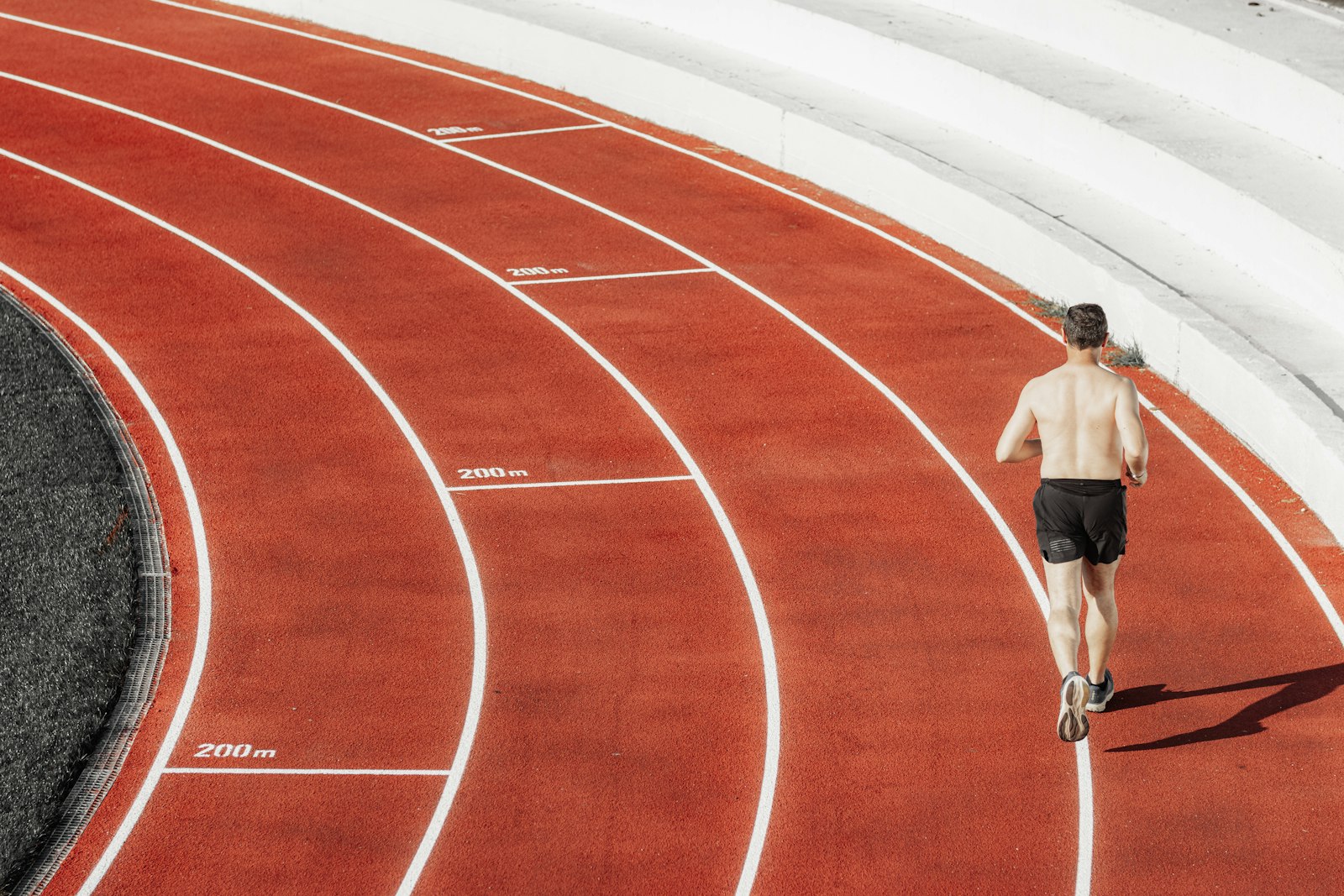
- Distance runners — the largest single group, with tibial and metatarsal stress fractures leading the list
- Triathletes — multi-sport athletes whose volume often pushes bone capacity
- Dancers — especially ballet and contemporary dancers with metatarsal and tibial fractures
- Cross-country and track athletes
- Soccer, lacrosse, and field hockey players
- Military and tactical athletes — recruits and active-duty service members from the bases around the region
- Active masters athletes — older athletes whose bone density may have shifted along with their training load
- Female athletes — where nutritional and hormonal factors significantly affect bone health and stress fracture risk
If you’ve been diagnosed with a stress fracture — or if you’ve had recurring stress fractures and want to break the cycle — you’re an excellent candidate for SoftWave evaluation. Call 843.873.6004 or book your evaluation online today.
SoftWave vs. Standard Stress Fracture Care
The conventional approach to stress fracture management is mostly subtractive: rest, immobilization, time, and sometimes a bone stimulator boot. There’s little that’s actively done to accelerate the body’s healing — just protective measures while the body does its own work. SoftWave Therapy fundamentally changes that equation by adding an active regenerative input to the recovery picture.
For athletes who want to be doing more than just waiting, SoftWave offers a way to actively contribute to bone and soft tissue healing during the protected window. It complements — rather than replaces — the appropriate orthopedic management of the injury, and it has no negative cumulative effects.
Learn more about how SoftWave accelerates recovery after injury.
What Athletes Experience During and After SoftWave Treatment for Stress Fractures
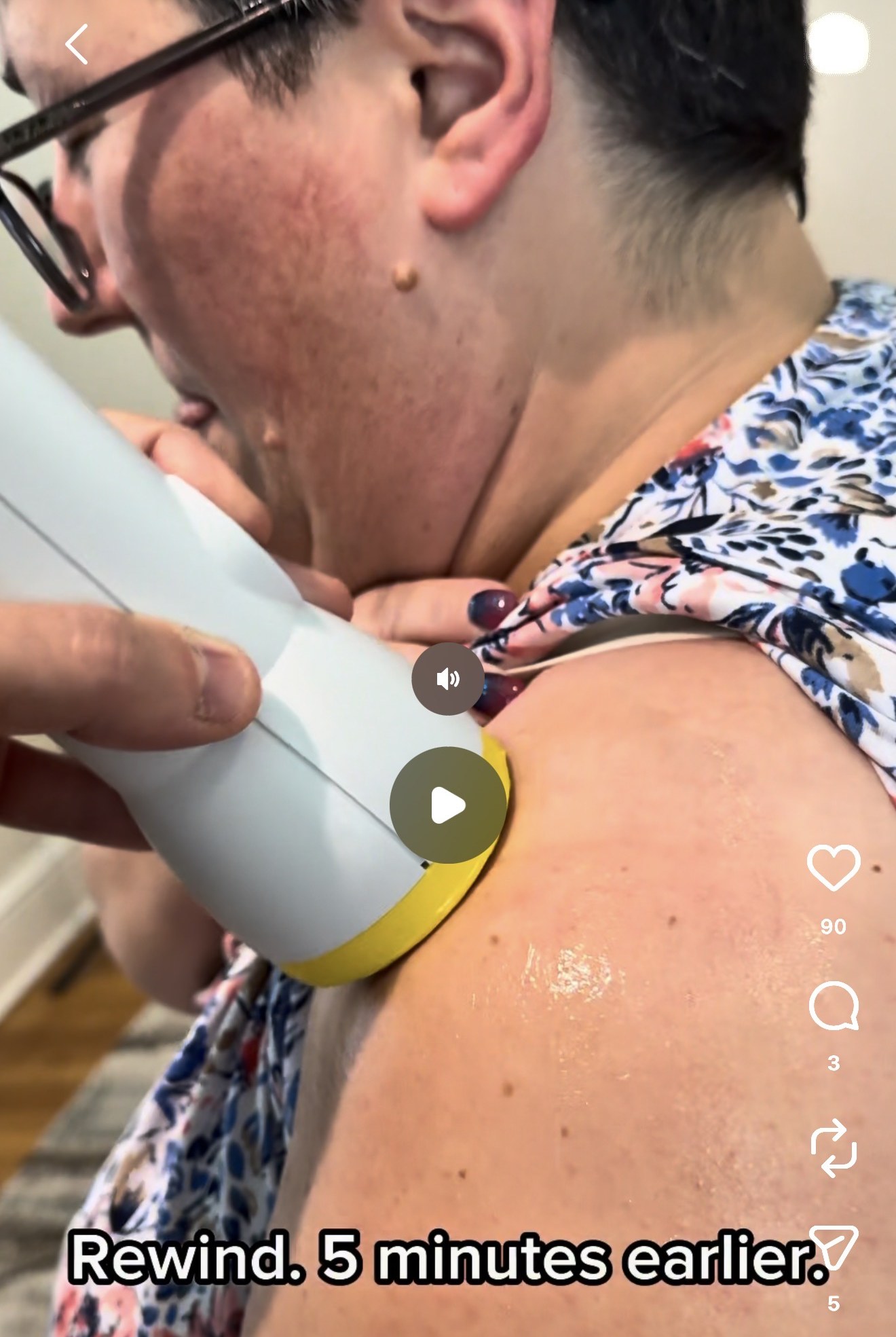
Each SoftWave session takes approximately 15 minutes. The applicator is placed over the affected bone and surrounding soft tissue, delivering comfortable, broad-focused acoustic waves into the area. There’s no anesthesia, no needles, and no downtime. Most patients describe the sensation as a pulsing or tapping pressure.
Some mild post-session soreness in the treated area for up to 24 hours is normal — a sign that the healing response has been activated. After that, the trajectory is progressive: less localized pain, better tolerance to protected loading, and faster overall recovery timelines than patients typically expect.
Most athletes report meaningful changes within the first two to four sessions of a structured treatment series — better daily comfort, easier ambulation, and confidence that the body is actively healing rather than just waiting.
Stop Waiting. Start Healing.
If you’ve been told to rest, stay off it, and check back in six weeks — know that there is a powerful, evidence-supported way to actively support stress fracture recovery right here in Charleston. At Fix Your Pain Charleston, Dr. Jeremiah Jimerson is helping athletes heal completely — not just clock the days.
Your bone, the tissue around it, and your entire athletic future deserve more than passive waiting. They deserve real, regenerative support — and with SoftWave Tissue Regeneration Therapy, that is exactly what’s possible.
Don’t let a stress fracture sideline you longer than it has to. Schedule your SoftWave evaluation at Fix Your Pain Charleston today — and find out what it feels like to heal the right way.
Fix Your Pain Charleston
Dr. Jeremiah Jimerson, DC, ART
761 Saint Andrews Blvd, Charleston, SC 29407 // 843.873.6004
‹ Back



 761 St Andrews Blvd