
Blog
SoftWave Therapy for Sports-Related Shoulder Pain: Healing Athletes in Charleston the Right Way
Non-Surgical Relief and Regeneration for Rotator Cuff Injuries, Impingement, Labral Tears, and More
Shoulder injuries are among the most common — and most career-threatening — setbacks an athlete can face. Whether you're a competitive baseball pitcher, a CrossFit athlete grinding through overhead work, a swimmer logging thousands of yards a week, or simply a weekend warrior whose shoulder finally said enough — a shoulder that won't heal properly can shut everything down. Rest doesn't fix it. Anti-inflammatories don't fix it. And for many athletes, the prospect of surgery or a cortisone injection cycle feels like trading one problem for another.
At Fix Your Pain Charleston, Dr. Jeremiah Jimerson is helping athletes across Charleston and South Carolina recover from shoulder injuries faster, heal at a deeper level, and return to full performance — without drugs, without surgery, and without the long, frustrating rehab timelines that often follow conventional treatment. The key is SoftWave Tissue Regeneration Therapy, and the results are changing the way athletes in this region think about injury recovery.
Why Shoulder Injuries Are So Difficult to Heal on Their Own
The shoulder is the most mobile joint in the human body — and that remarkable range of motion comes with a significant structural trade-off. Unlike the hip, which derives stability from deep bony architecture, the shoulder depends almost entirely on a complex arrangement of soft tissues — rotator cuff muscles, tendons, labrum, bursa, and ligaments — to maintain stability and function during athletic movement. That same complexity is what makes it so vulnerable.
Athletes who throw, swing, lift overhead, swim, or absorb contact are placing enormous repetitive stress on these structures. Over time — or in a single traumatic moment — they break down. Common sports shoulder injuries include:
- Rotator cuff tears or tendinopathy — partial or full tears of the supraspinatus, infraspinatus, or subscapularis tendons
- Shoulder impingement syndrome — painful compression of soft tissues in the subacromial space during overhead movement
- Labral tears (SLAP lesions) — damage to the cartilage ring around the shoulder socket, common in throwers and overhead athletes
- Biceps tendon inflammation or tears — particularly at the proximal attachment point near the shoulder joint
- AC (acromioclavicular) joint sprains — from direct impact or repeated load-bearing stress
- Shoulder bursitis — chronic inflammation of the bursa sac, often overlapping with impingement
- Frozen shoulder (adhesive capsulitis) — progressive stiffening that can follow an unresolved shoulder injury or period of immobilization
What makes these injuries so stubbornly resistant to healing is a critical biological reality: tendons, cartilage, and the labrum have an extremely limited blood supply. Without adequate circulation, these tissues simply cannot access the oxygen, nutrients, and cellular repair signals they need to regenerate. They heal poorly, heal slowly, or don't heal meaningfully at all — leaving athletes stuck in a cycle of recurring flare-ups, compensatory movement patterns, and eventual structural breakdown.
This is precisely the problem that SoftWave Therapy was designed to solve. Learn more about how SoftWave Tissue Regeneration Technology works.
How SoftWave Therapy Heals Sports Shoulder Injuries at the Cellular Level
SoftWave Tissue Regeneration Therapy uses patented electrohydraulic broad focused supersonic acoustic waves to deliver targeted mechanical energy deep into injured shoulder tissue — stimulating the body's own biological repair processes in a way that no other non-invasive technology can replicate.
For shoulder injuries specifically, SoftWave triggers a powerful cascade of healing events:
- Neoangiogenesis — SoftWave stimulates the formation of new blood vessels through the release of key growth factors including VEGF and eNOS. For tendons and the labrum — tissues chronically starved of circulation — this is transformative. For the first time, these structures receive the blood flow they need to genuinely repair
- Dormant stem cell activation — the acoustic energy awakens resident mesenchymal stem cells within and around the injured shoulder, mobilizing them for active tissue regeneration and collagen remodeling
- Inflammation resolution — SoftWave downregulates the pro-inflammatory cytokines that keep shoulder injuries in a chronic pain cycle, replacing destructive inflammation with the productive, healing-oriented biological activity the body needs
- Scar tissue and adhesion breakdown — acoustic waves soften and break down the fibrous adhesions that form after shoulder injuries, restoring range of motion and joint mechanics
- Collagen fiber realignment — as new tissue forms, SoftWave supports the proper alignment of collagen fibers in healing tendons — a critical factor in restoring tensile strength and preventing re-injury
The difference between SoftWave and simply resting a shoulder injury is the difference between passive waiting and active, directed biological repair. SoftWave doesn't give the body time to heal — it gives the body the tools, the resources, and the cellular signals to actually do it.
SoftWave + ART: The Complete Sports Shoulder Protocol
For competitive and active patients, Dr. Jimerson frequently combines SoftWave with Active Release Techniques (ART) — a precisely targeted, movement-based soft tissue method that identifies and releases the adhesions, compensatory patterns, and neuromuscular restrictions that develop around chronic or acute shoulder injuries.
Every shoulder injury leaves a movement fingerprint. Muscles compensate. Scapular mechanics shift. Motor patterns become ingrained around the injury — and even after the primary tissue heals, those compensations remain, driving continued dysfunction and making re-injury far more likely. ART systematically identifies and corrects these patterns, restoring proper shoulder mechanics and muscle function from the outside in.
Together, SoftWave + ART form a complete rehabilitation strategy:
- SoftWave drives cellular regeneration, reduces inflammation, and increases tissue quality and blood supply
- ART restores normal movement patterns, eliminates scar tissue restrictions, and retrains the neuromuscular system to function correctly
This combination dramatically shortens recovery timelines, reduces re-injury risk, and allows many athletes to continue training (with appropriate modifications) throughout the treatment process — rather than sitting on the sideline waiting for time to do what only active healing can achieve.
Read more about how Dr. Jimerson combines SoftWave and ART for soft tissue healing.
Sports and Activities We Commonly Treat Shoulder Injuries From
Dr. Jimerson works with athletes and active individuals from a wide range of sports and disciplines, including:
- Baseball and softball — rotator cuff overuse injuries, labral damage from throwing mechanics, biceps tendon issues
- Swimming — swimmer's shoulder, subacromial impingement from repetitive overhead strokes, rotator cuff fatigue
- CrossFit and Olympic weightlifting — AC joint stress, pec and biceps tendon injuries, impingement from kipping and overhead pressing
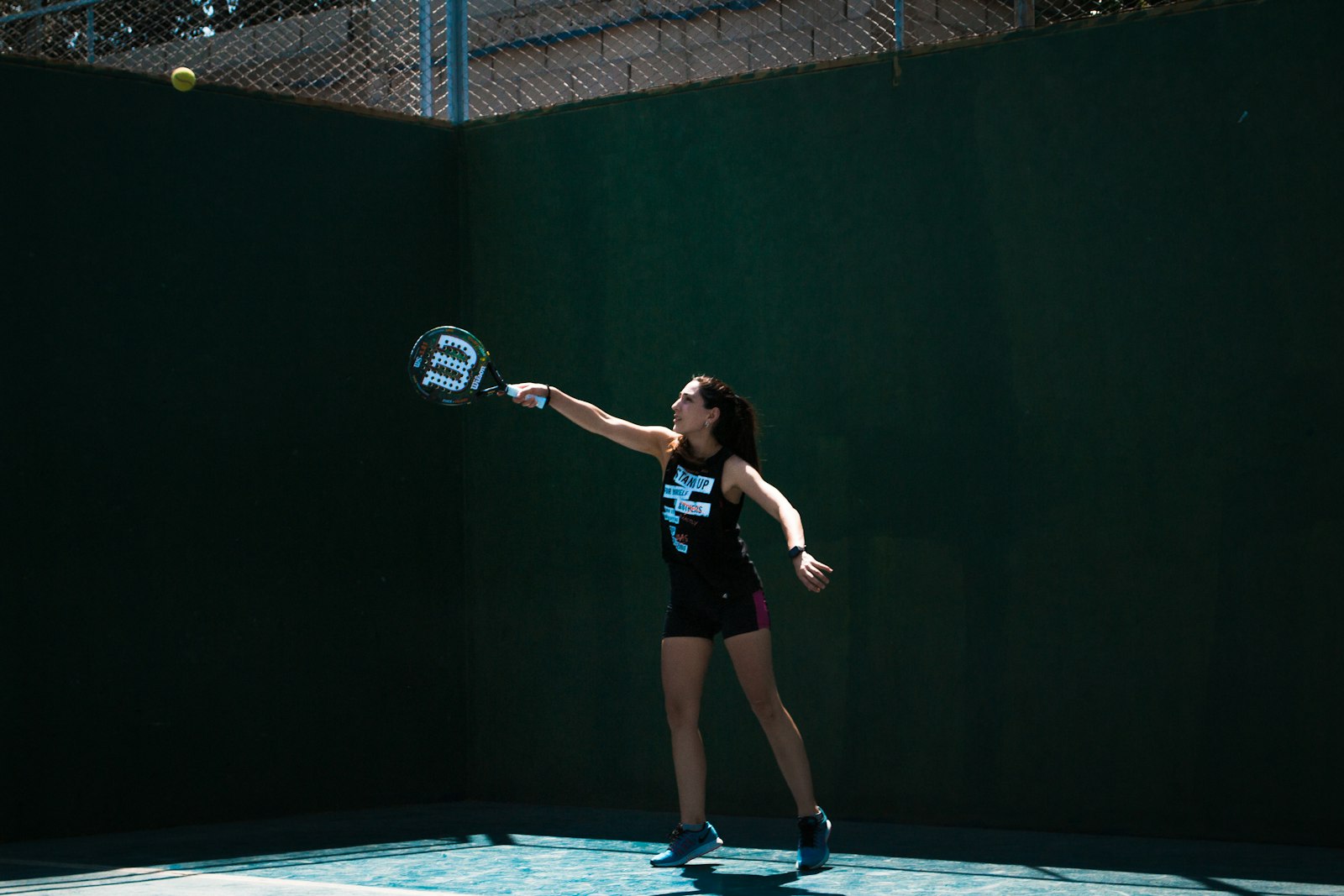
- Tennis and pickleball — rotator cuff tendinopathy, impingement from serving and overhead shots
- Golf — lead shoulder strain, AC joint irritation, rotator cuff involvement in the downswing
- Football, rugby, and wrestling — AC sprains and separations, labral tears from contact, rotator cuff injuries from falls and tackles
- Military and tactical athletes — load-bearing shoulder stress, repetitive overhead work, cumulative injury from rucking and equipment carry
- Recreational and masters athletes — anyone whose shoulder has been hurting for months (or years) and simply hasn't responded to rest, PT, or injections
Regardless of your sport or activity level, if your shoulder is holding you back, Dr. Jimerson wants to help you get back to it — call 843.873.6004 or book your evaluation online today.
SoftWave vs. Cortisone Shots for Shoulder Pain
One of the most common treatments offered for shoulder pain — especially bursitis, impingement, and rotator cuff tendinopathy — is a cortisone injection. And while cortisone can provide short-term relief by temporarily reducing inflammation, it does nothing to repair the underlying tissue damage. Worse, repeated cortisone injections have been shown to weaken tendon tissue over time — potentially accelerating the very breakdown athletes are trying to stop.
SoftWave Therapy offers a fundamentally different value proposition: rather than suppressing the inflammatory response, it resolves the tissue damage driving it. Patients who choose SoftWave aren't just buying temporary relief — they are investing in actual regeneration of the damaged structures causing their pain. And unlike cortisone, which has a documented limit on how many times it can be safely administered, SoftWave can be used as often as clinically appropriate with no cumulative risk.
What Athletes Experience During and After SoftWave Treatment
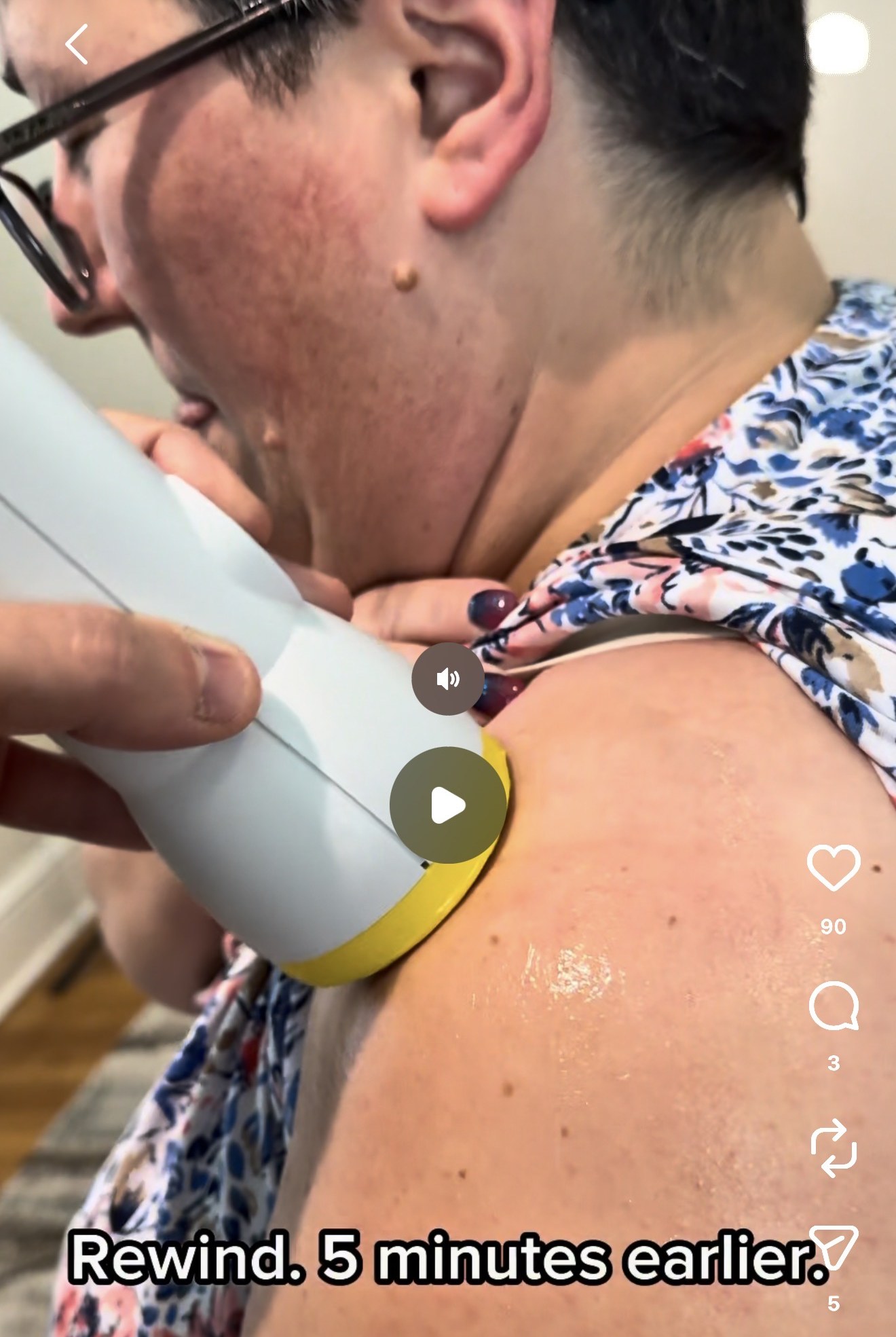
Each SoftWave session for a shoulder injury takes approximately 15 minutes. The device is applied directly over the affected area — the rotator cuff, AC joint, biceps tendon, or posterior capsule, depending on the injury — and delivers the acoustic waves in a comfortable, non-invasive manner. Most patients describe a mild pulsing or pressure sensation. There is no anesthesia required, no needles, and no recovery period.
In the hours following a session, some patients experience a mild, temporary increase in soreness — a sign that the body's healing response has been activated. This typically resolves within 24 hours and is followed by progressive improvement in pain levels, range of motion, and strength across subsequent sessions.
Athletes commonly report noticing meaningful differences — less pain during overhead movement, improved sleep with their arm in certain positions, and greater confidence in loading the shoulder — within the first two to four sessions of a standard treatment series.
Stop Compensating. Start Healing.
If you've been told to rest, take anti-inflammatories, get another cortisone shot, or start thinking about surgery for your shoulder — know that there is a powerful, evidence-supported alternative available right here in Charleston. At Fix Your Pain Charleston, Dr. Jeremiah Jimerson is dedicated to helping athletes heal completely, not just get through the next season on borrowed time.
Your shoulder deserves more than a patch. It deserves genuine regeneration — and with SoftWave Tissue Regeneration Therapy, that is exactly what's possible.
Don't let a shoulder injury define your athletic future. Schedule your SoftWave shoulder evaluation at Fix Your Pain Charleston today — and find out what it feels like to heal the right way.
Fix Your Pain Charleston
Dr. Jeremiah Jimerson, DC, ART
761 Saint Andrews Blvd, Charleston, SC 29407 // 843.873.6004
‹ Back


 761 St Andrews Blvd